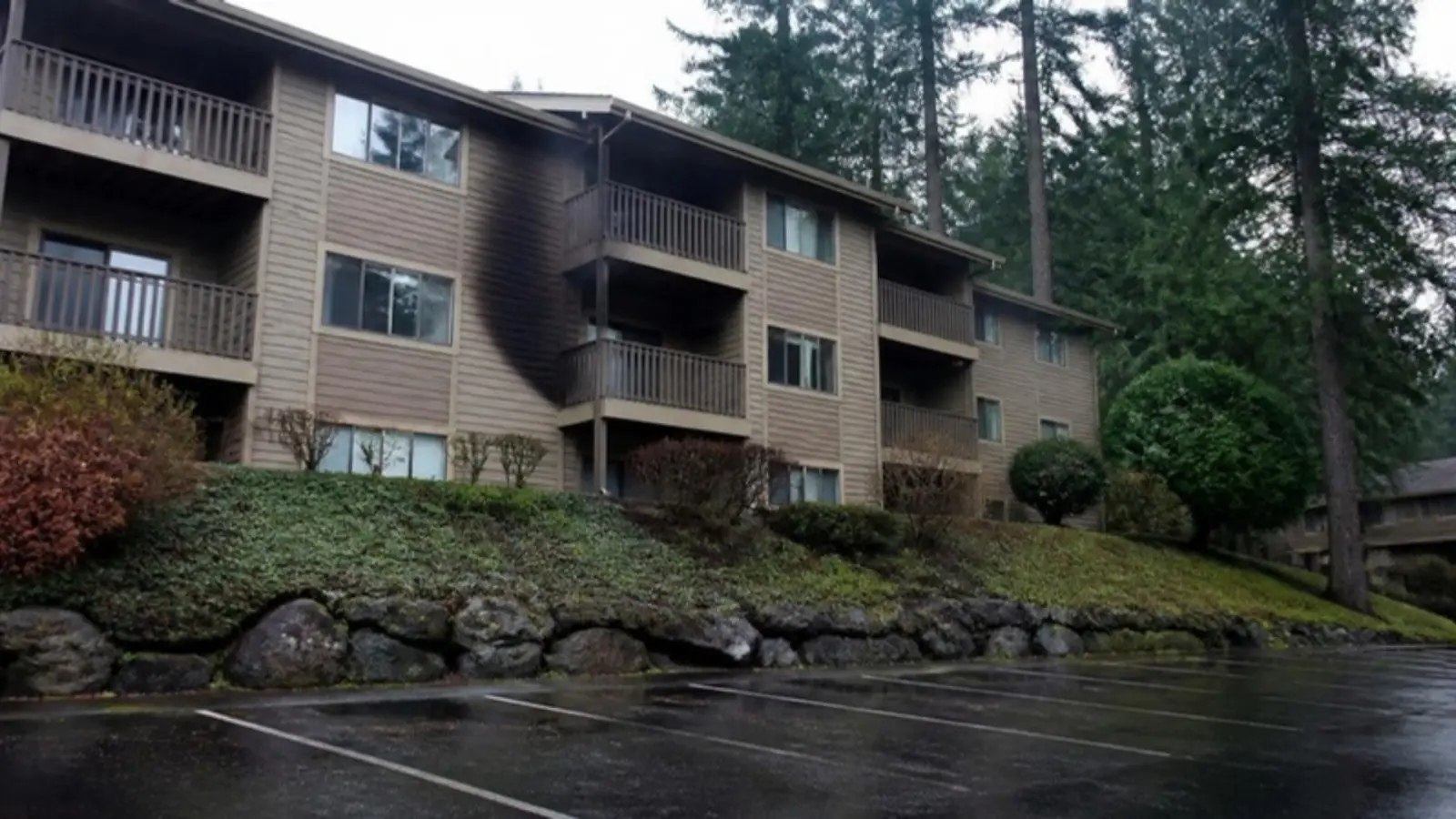
What are multi-family and HOA leak services?
Apartment buildings, condominiums and townhome communities stack homes on top of and beside each other, connected by shared plumbing, shared roofs and shared walls. That makes leaks harder in two ways. Water from one unit routinely shows up in another, sometimes two floors down. And every leak raises a second question after "where is it coming from?": "whose responsibility is it?"
Multi-family and HOA leak services answer both. A specialist investigates across units and common areas, finds the source, and documents it with photos, readings and a clear description. Then the right repair is made, whether that's a unit owner's dishwasher hose, a shared drain stack, a balcony membrane over the unit below or a roof the association maintains. For property managers and boards, the documentation is often as valuable as the repair, because it settles cost questions and supports insurance claims.
These communities also have more people to coordinate: residents who need notice before anyone enters their unit, boards that approve spending, managers juggling vendors, and insurers on both the master policy and individual owners' policies. Good leak work fits into that process instead of fighting it.
Who is responsible for a leak in a condo or HOA?
Responsibility is set by the community's governing documents, the declaration, bylaws and rules, along with Washington condominium and community association law and the insurance policies involved. As a general pattern:
| Source | Often the responsibility of |
|---|---|
| Roof, exterior walls, shared structure | The association, as common elements. |
| Shared drain stacks and main supply risers | The association, as common elements. |
| Fixtures and appliances inside a unit | The unit owner. |
| Branch lines serving only one unit | Varies by documents. Frequently the unit owner. |
| Balconies and decks | Often limited common elements, so check how your documents assign them. |
Because this varies, the most useful thing a leak specialist can provide is an accurate, well-documented source. The board, manager and insurers can then apply the documents to the facts.
How are leaks traced between units?
Start where the water appears, then go up
Water travels down and sideways through floor-ceiling assemblies, chases and wall cavities. The investigation starts at the stain and works up: the unit above, the unit beside it, the stack serving both, the roof or deck above that. Moisture meters and thermal cameras map how far the water has spread without opening ceilings.
Test fixtures one at a time
With access arranged, fixtures in the suspect unit are run one by one, such as the shower, tub, toilet, sinks, dishwasher and washer, while someone watches the ceiling below. Tub and shower leaks often only appear when water hits a failed grout line, tub spout or drain gasket, not when the fixture sits unused.
Check the shared systems
If unit fixtures test dry, attention shifts to shared risers and drain stacks, often with a camera in the stack, and to the building envelope: windows, sliding doors, balcony membranes and roof.
Repair and document
The source is repaired by the right trade, and the report states the source, the evidence, the photos and the areas affected. That's the record managers need.
Planning ahead with reserves and inspections
Many leaks in older communities come from systems that age together: the original roofs, the original cast iron stacks, the original windows and deck membranes. Regular envelope and roof inspections, camera checks of representative stacks, and a note in the reserve study for each of those systems turn surprise emergencies into planned projects. When one unit's leak traces back to a common system, ask the specialist whether the same failure is likely elsewhere in the building. That answer helps the board decide between one more repair and a planned replacement.
What are the warning signs of leaks in multi-family buildings?
- Ceiling stains in a unit directly under a bathroom or kitchen.
- Stains lined up floor after floor along the same wall, pointing to a stack.
- Water below a balcony or deck after rain.
- Wet carpet or swollen baseboards near sliding doors.
- Musty odors or mold reported in several units on one side.
- A rising master-meter water bill with no explanation.
- Top-floor ceiling stains after storms.
- Repeated resident complaints about the same area.
What causes leaks in apartments and condos?
- Bathroom failures. Cracked grout and caulk, failed shower pans, loose tub spouts and toilet wax rings.
- Appliance connections. Washing machine hoses, dishwasher lines, refrigerator ice-maker lines and in-unit water heaters.
- Aging stacks and risers. Cast iron drain stacks and older supply risers corrode with age.
- Balconies and decks. Failed waterproofing over living space, poor door threshold flashing and clogged deck drains.
- Windows and siding. Sealant and flashing failures, made worse by long periods of wind-driven rain.
- Roofs and gutters. Aging roofs, clogged gutters and moss, especially on communities with mature trees.
What can managers and residents do first?
- Ask the resident above to stop using water in suspect fixtures and see if the dripping stops.
- Know where each building's main and riser shutoffs are, and the unit shutoffs where they exist.
- Photograph and date stains in every affected unit, and keep a log of complaints by unit.
- Notify owners and residents in writing before entry, as your documents and law require.
- Notify the association's insurance agent early for larger losses.
Pro tip: braided hose policy
Many associations encourage or require braided stainless washer hoses and water heater drain pans. They're cheap and prevent a common source of unit-to-unit floods.
Warning: don't assign blame before the source is confirmed
Billing an owner for a leak that turns out to be a common-element failure creates disputes. Confirm and document first.
What happens during the specialist's visit?
- CoordinationThe manager arranges access and notices for the affected units.
- Moisture mappingAffected ceilings and walls are mapped in each unit.
- Fixture and system testingFixtures above are tested one at a time, then shared stacks and risers.
- Envelope checkWindows, doors, balconies and roof above, when plumbing tests are dry.
- RepairThe source is fixed by the appropriate trade, and temporary protection added where needed.
- ReportThe source, evidence, photos and affected areas, written for boards and insurers.
What affects the cost of multi-family leak work?
| Factor | Effect on the job |
|---|---|
| Units involved | More units means more access coordination and testing. |
| Source type | A fixture repair costs far less than a stack or deck membrane. |
| Access delays | Return trips when units can't be entered. |
| Finishes | Tile, ceilings and flooring restoration in occupied homes. |
| Reporting | Detailed reports for insurance or disputes take extra time. |
When is a multi-family leak an emergency?
Water actively coming through a ceiling into an occupied home, a failed water heater or supply line, or a sewer stack backing up into lower units needs immediate action. Shut off the unit or riser supply, get residents away from wet electrical areas and sagging ceilings, and call for emergency commercial leak repair. If you can't reach the resident of the source unit, follow your documents' emergency entry provisions.
Sagging ceilings in occupied units
Water pooled above drywall can bring a ceiling down. Move residents out of that room until it's drained and checked.
Multi-family and HOA FAQ
How do you prove which unit the leak came from?
By testing fixtures one at a time while watching below, mapping moisture, and checking shared systems, then documenting each test and result with photos.
Can you work with our property manager and board?
Yes. Specialists who work on multi-family buildings are used to scheduling through managers, providing reports for boards, and coordinating with residents.
What if a resident won't allow access?
Most governing documents include access provisions for inspections and emergencies. The manager or association attorney can advise on notice and entry.
Are balcony leaks the owner's or the HOA's problem?
It depends on how your documents classify balconies and decks. Many treat them as limited common elements with specific maintenance rules. Check your declaration.
Should we plan for stack replacement?
If camera inspections show widespread corrosion in older cast iron stacks, include lining or replacement in your reserve planning. Trenchless lining can avoid opening every unit.
Does the master insurance policy cover leak damage?
Coverage depends on the master policy, owners' individual policies, the cause and the deductible rules in your documents. Report losses promptly and share the source report with your agent.
Related services and areas
Condo and HOA communities in Westhill, apartment complexes around Thrasher's Corner, and hillside associations on Norway Hill all deal with these shared-building leaks. Window and wall leaks are covered in detail under window and facade waterproofing. For non-residential buildings, see our commercial property leak repair overview.